

Prevention is the strategy: Inside GE Vernova’s approach to workforce health, leadership and proactive care
Dr. Nick Taylor
01 April 2026
Content
- The moment prevention became personal
- Why wellbeing can’t be an afterthought
- The power of small habits done consistently
- The leadership factor no one can ignore
- Technology can expand care, but humanity must stay at the center
- Why psychological safety is a health issue
- Moving from reactive to preventive care
- Building the healthiest workplaces possible
- A final thought: health is built every day
- Listen to the full episode
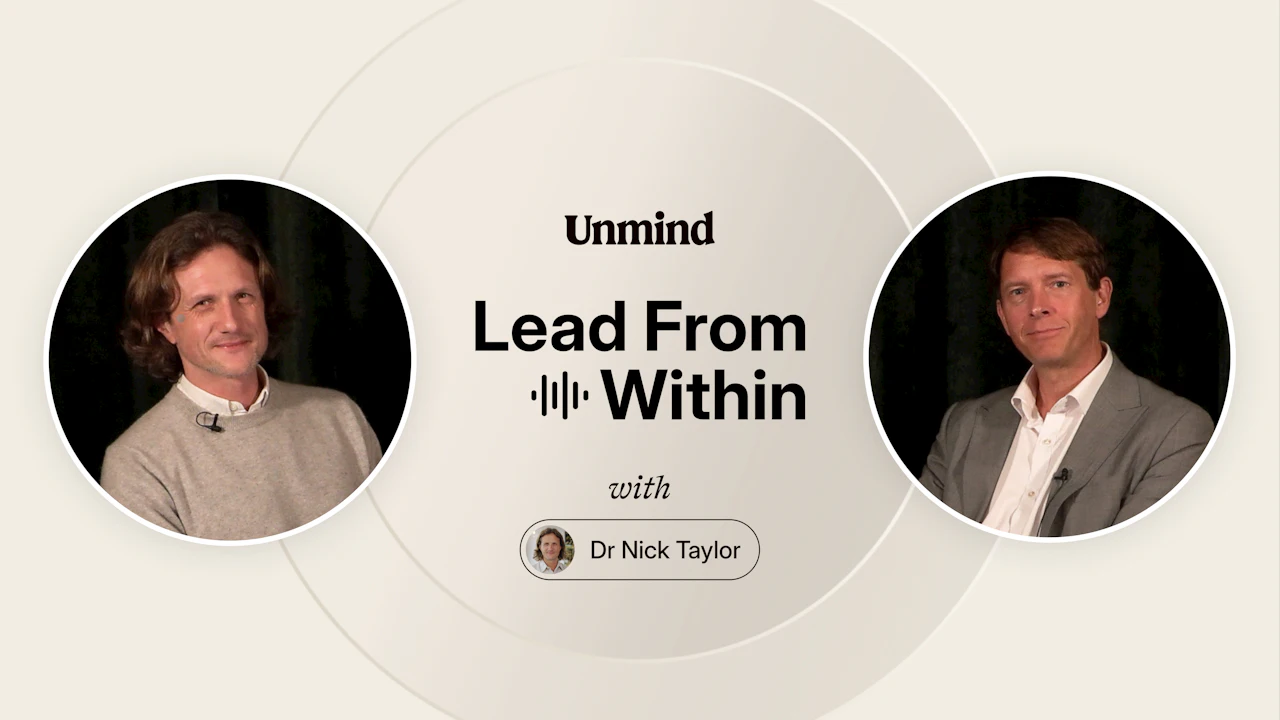
Lead from Within Podcast with Dr Jonathan O’Keeffe, Chief Medical Officer at GE Vernova
If I want to be whole, I have to attend to each of those pillars – and when they overlap together, they become a very powerful instrument of wellbeing.
There’s a moment in this conversation where Dr Jonathan O’Keeffe pauses to define wellbeing, not as a program, not as a perk, but as something deeply personal.
To him, wellbeing isn’t about ticking boxes or offering surface-level solutions. It’s about feeling whole. Physically capable. Mentally steady. Emotionally balanced. Able to move through the day with clarity, connection, and even moments of happiness.
It’s a simple definition. But it carries weight – especially coming from a physician who has spent his career watching what happens when prevention comes too late.
And that’s where this conversation really begins: not with crisis care, but with the decision to prevent a crisis in the first place.
The moment prevention became personal
Dr O’Keeffe didn’t arrive at workplace wellbeing through theory. He arrived there through lived experience.
As a teenager, he watched his father undergo triple bypass surgery at just 52 years old. At the time, his father seemed healthy. He was fit and active.
But something had been building beneath the surface.
That moment stayed with him.
It shaped his early interest in cardiology. And later, it reshaped his career entirely.
Rather than focusing only on treating illness one patient at a time, he realized he could make a bigger impact upstream, helping organizations prevent illness before it starts.
That shift from treatment to prevention has defined his approach ever since.
And it’s exactly the shift many organizations are now being forced to make.
Why wellbeing can’t be an afterthought
One of the clearest messages in this episode is this: wellbeing isn’t a side initiative. It’s infrastructure.
Too often, organizations rely on what Dr O’Keeffe calls surface-level solutions – the kinds of offerings that look good on paper but don’t address the real drivers of health.
Fruit and yoga are helpful, but that’s not a wellbeing program
A real wellbeing strategy doesn’t live in a wellness week or a meditation app alone. It spans the full lifecycle of an employee’s experience, from their first day at work to the day they retire.
It addresses physical health, mental health, emotional resilience, psychological safety and, most importantly, it makes support easy to reach.
Not buried in policy documents or hidden behind complicated processes.
Accessible when people actually need it.
The power of small habits done consistently
One of the most practical parts of the conversation centers on habits, not grand gestures.
Dr O’Keeffe is clear: prevention doesn’t require dramatic change. It requires consistency.
Not marathon training or extreme routines. Small shifts.
A five-minute break every couple of hours.
A good walk at the weekend.
A habit that repeats until it becomes automatic.
It’s a reminder that sustainable wellbeing isn’t built in heroic bursts. It’s built steadily over time.
And when organizations support those habits – by normalizing breaks, encouraging movement, and designing healthier workflows, they make prevention possible at scale.
The leadership factor no one can ignore
If there’s one thread that runs through this conversation from beginning to end, it’s leadership.
Not symbolic leadership – active leadership.
Leadership that commits resources, communicates priorities, treats wellbeing as a business strategy – not a moral afterthought.
Because when leaders prioritize health, something powerful happens: engagement improves, productivity rises, and retention strengthens.
The organization becomes more resilient – not just operationally, but humanly.
If you have the healthiest people enjoying and happy at work, overall the company will benefit over time.
It’s not a soft outcome – it’s a strategic one.
Technology can expand care, but humanity must stay at the center
Another theme that surfaces throughout the discussion is the growing role of technology in mental health.
Access remains one of the biggest challenges globally. Demand for care continues to outpace supply.
Technology including AI – can help close that gap. But only if it’s built responsibly.
Only if it strengthens human connection, not replaces it.
Dr O’Keeffe speaks candidly about the importance of trust, particularly when introducing technology into health-related environments. People need to understand how systems work, data is protected, and where human support exists.
Technology should expand access. But humanity must remain at the center.
Why psychological safety is a health issue
One of the most insightful parts of the conversation focuses on psychological safety, something many organizations still treat as a cultural concept rather than a healthy one.
But Dr O’Keeffe sees it differently.
When people feel safe to speak up, share concerns, and contribute ideas, outcomes improve, not just emotionally, but physically.
Teams communicate better, risks are identified earlier, stress decreases, health improves.
Psychological safety isn’t a workplace luxury – it’s a health intervention.
And it starts with leadership behavior – how leaders listen, respond, and create space for honesty.
Moving from reactive to preventive care
For decades, healthcare, inside and outside organizations has been reactive. People seek help when something goes wrong. But that model isn’t sustainable anymore.
Not at scale, in fast-moving industries, or environments where stress is constant. What organizations need now is a preventive model – one that supports people before problems escalate.
That means:
Clear strategies
Accessible tools
Integrated services
Consistent measurement
Not guesswork or disconnected initiatives – intentional design.
Because the adage is true: prevention is better than cure.
Building the healthiest workplaces possible
Toward the end of the conversation, Dr O’Keeffe shares his long-term ambition – and it’s bold.
He wants the people in his organization to be the healthiest and happiest in their industry.
And while that goal may sound ambitious, it reflects a deeper truth: organizations have the power to shape the health outcomes of their people.
Through the environments they create, support they offer, priorities they set,
the habits they reinforce.
A final thought: health is built every day
This conversation doesn’t end with a program, or a framework, or technology.
It ends with something simpler. Daily action.
Small habits, supportive environments, leadership that takes health seriously.
And the organizations that truly understand that won’t just support their people – they’ll enable them to thrive.
Listen to the full episode
If you’re rethinking how your organization approaches wellbeing or trying to move from reactive support to a truly preventive strategy, this episode is worth your time.
Dr Jonathan O’Keeffe brings a physician’s perspective, a leader’s mindset, and a deeply practical view of what it takes to build workplaces where people can be healthy, happy, and whole.
Listen to the full episode of Lead from Within to hear the full conversation and explore how prevention, leadership, and accessible support can reshape the future of workplace wellbeing.
Other ways to listen
About the Author
Dr. Nick Taylor, Co-Founder & CEO at Unmind
About the Author