

Sleep Well, Live Better – Why Sleep Support at Work Needs to Be Personal
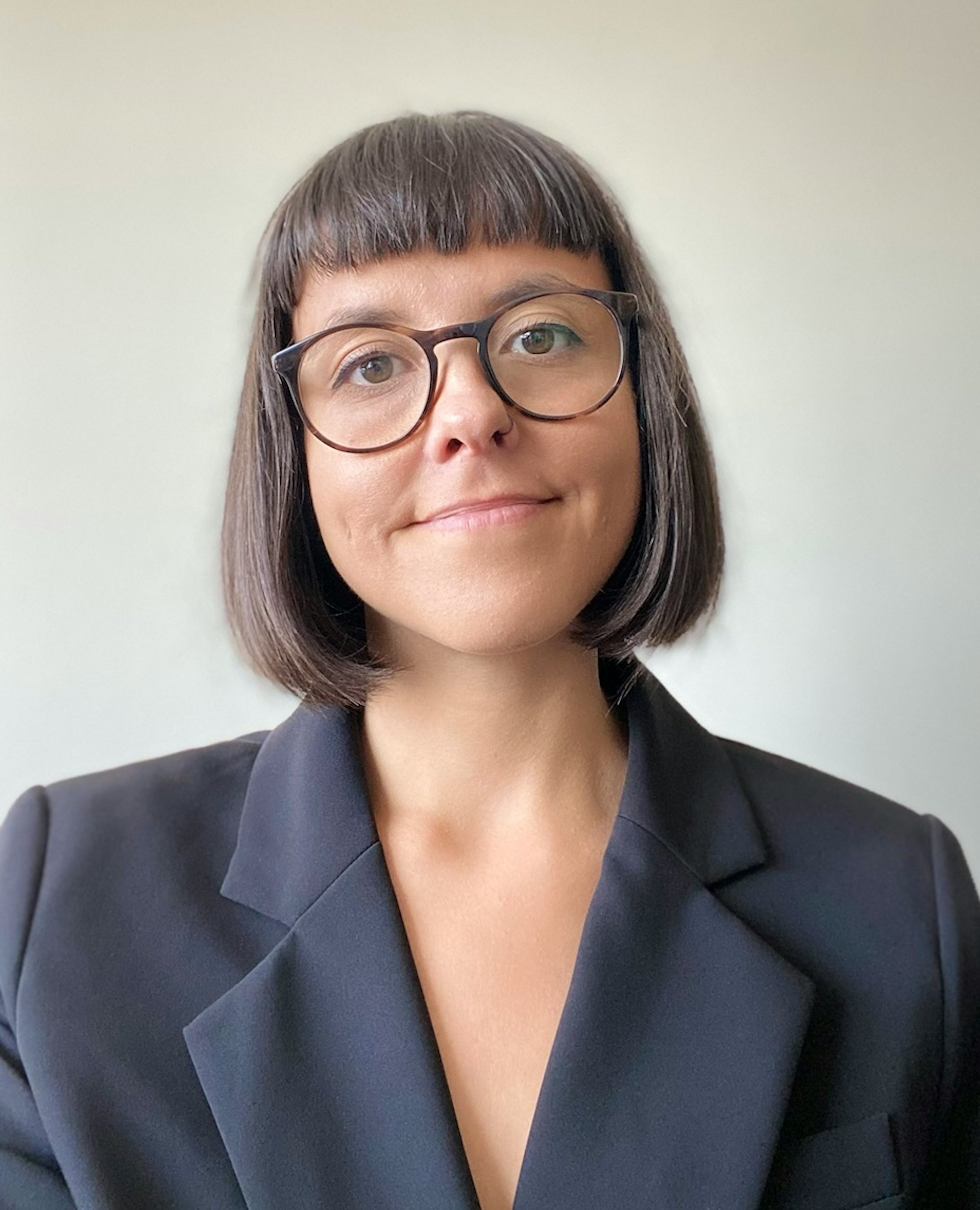
Jessica Vazzaz
03 March 2026
Content
- Sleep Well, Live Better.
- Why a “one size fits all” approach is not enough
- How employees engaged with Nova for sleep support
- Engagement does not look the same for everyone
- What this means for leaders
- How can we sleep well, and live better?
Sleep Well, Live Better.
This year’s World Sleep Day theme captures something I think about every day as I research sleep and mental health: sleep is foundational. It shapes physical [1] and psychological health [2], mood [3], stress resilience [4], productivity [5] and relationships [6]. When sleep deteriorates, it can have detrimental effects on other important aspects of life.
And while experiencing a bad night's sleep occasionally is just part of being human, there are a significant number of people that struggle with their sleep consistently and severely enough for this to be a problem. Recent estimates suggest that over 800 million people worldwide, around 16% of the global population, meet criteria for insomnia [7]. Sleep disturbances are even more common and affect a large proportion of working-age adults in countries such as the US and UK [8].
In other words: disrupted sleep is not a niche issue. It is a workforce and population issue.
Why a “one size fits all” approach is not enough
Sleep can often be seen as the canary in the coal mine, a tell-tale sign that something might be off in our lives.
The tricky part is understanding what that “something” is, as sleep health is shaped in complex ways at both the individual and the societal level [9].
Some people struggle due to life circumstances that are largely outside their control, such as shift work or having young children. Others experience sleep difficulties for behavioural reasons, like irregular bedtimes or late evening media use. And very often, the driver is psychological, day-to-day stress, racing thoughts, or a busy mind that refuses to switch off before bed.
Despite how common these experiences are, professional help-seeking is generally low – particularly when the cause feels psychological [10]. Many people assume they should be able to manage it alone.
So we have three realities at once:
- High prevalence
- Low professional help-seeking
- Highly individual causes
That combination suggests something important: sleep support cannot be one size fits all.
It needs to be personalised but also scalable.
How employees engaged with Nova for sleep support
In our latest study, we recruited 150 working adults in the UK and US who wanted to improve their sleep and invited them to use Nova for six weeks.
These are early insights, and full results will be shared once the research is formally published. But even at this stage, one pattern was clear: there was no single “Nova user.”
Some participants used Nova as an ongoing coach. They explored patterns in their sleep, experimented with behavioral adjustments, and reflected on what worked and what did not. Many reported already knowing the basics of sleep hygiene, so what they were lacking was not information. Rather, Nova gave them the space and structure to bridge the gap between knowing what to do and actually putting it into practice.
Others barely talked about sleep directly. Instead, they focused on day-to-day stress, busy minds, and work problems. They used Nova to process thoughts and emotions and described perceived improvements in sleep as a knock-on effect.
That said, Nova was not the right fit for everyone. Nova is designed to support everyday wellbeing, helping people navigate common life and work challenges.
A few participants found typing too effortful when already exhausted. For some of them, shorter or audio-based content felt more realistic. A small number of participants were experiencing difficulties that went beyond everyday wellbeing challenges and were directed to professional support. .
That variability reflects the complex and diverse realities of sleep disturbance.
AI-based tools like Nova may offer accessible and scalable support, but they are not a magic wand or a universal solution.
Engagement does not look the same for everyone
Engagement across the six weeks varied.
Some participants disengaged quickly. Some engaged consistently. Others used Nova intensively at the start, tried a few strategies, then reduced or stopped use once they felt clearer about what worked.
Reduced use can signal disengagement. But it can also reflect skill acquisition, with people feeling confident enough to apply what they have learned independently.
To me, this is one of the most important insights.
Success does not always look like constant use. Sometimes it looks like people no longer needing the tool in the same way.
The broader takeaway is this: people differ in their needs, preferences, energy levels, and readiness to engage. Any scalable solution must allow for that flexibility.
What this means for leaders
There is no single app or intervention that will “fix” sleep.
But employees benefit from support that can flex around their realities and meet them where they are.
For leaders, this suggests two priorities.
First, offer a range of options for sleep support – including digital tools, alongside clear routes to clinical care where appropriate.
Second, recognise that sleep is shaped not just by individual behavior, but by working practices and culture. Tools like Nova can support reflection and change. But they work best in environments that respect rest, boundaries, and recovery. If late-night emails are normalized and workloads consistently overflow into evenings, individual-level advice will only go so far.
How can we sleep well, and live better?
As we mark Sleep Awareness Week and reflect on the theme “Sleep Well, Live Better”, it is worth asking what makes that possible in practice.
Digital tools like Nova can support individuals, but better sleep also depends on whether our workplaces and wider cultures make rest possible.
Sources
- Itani O, Jike M, Watanabe N, Kaneita Y. Short sleep duration and health outcomes: a systematic review, meta-analysis, and meta-regression. Sleep Med. 2017;32:246-256. doi:10.1016/j.sleep.2016.08.006
- Freeman D, Sheaves B, Waite F, Harvey AG, Harrison PJ. Sleep disturbance and psychiatric disorders. Lancet Psychiatry. 2020;7(7):628-637. doi:10.1016/S2215-0366(20)30136-X
- Konjarski M, Murray G, Lee VV, Jackson ML. Reciprocal relationships between daily sleep and mood: a systematic review of naturalistic prospective studies. Sleep Med Rev. 2018;42:47-58. doi:10.1016/j.smrv.2018.05.005
- Arora T, Grey I, Östlundh L, Alamoodi A, Omar OM, Lam KBH, Grandner M. A systematic review and meta-analysis to assess the relationship between sleep duration/quality, mental toughness and resilience amongst healthy individuals. Sleep Med Rev. 2022;62:101593. doi:10.1016/j.smrv.2022.101593
- Litwiller B, Anderson Snyder L, Taylor WD, Steele LM. The relationship between sleep and work: a meta-analysis. J Appl Psychol. 2017;102(4):682-699. doi:10.1037/apl0000169
- Gordon AM, Carrillo B, Barnes CM. Sleep and social relationships in healthy populations: a systematic review. Sleep Med Rev. 2021;57:101428. doi:10.1016/j.smrv.2021.101428
- Benjafield AV, Sert Kuniyoshi FH, Malhotra A, et al. Estimation of the global prevalence and burden of insomnia: a systematic literature review-based analysis. Sleep Med Rev. 2025;82:102121. doi:10.1016/j.smrv.2025.102121
- Hafner M, Romanelli RJ, Yerushalmi E, Troxel WM. The societal and economic burden of insomnia in adults.RAND Corporation; 2023. https://www.rand.org/pubs/research_reports/RRA2166-1.html
- Grandner MA. Social-ecological model of sleep health. In: Sleep and Health. 2019:45-53. doi:10.1016/B978-0-12-815373-4.00005-8
- Rauch L, Schneider T, Wendt C. Seeking professional help for sleep-related complaints. Front Public Health.2024;12. doi:10.3389/fpubh.2024.1430574
About the Author
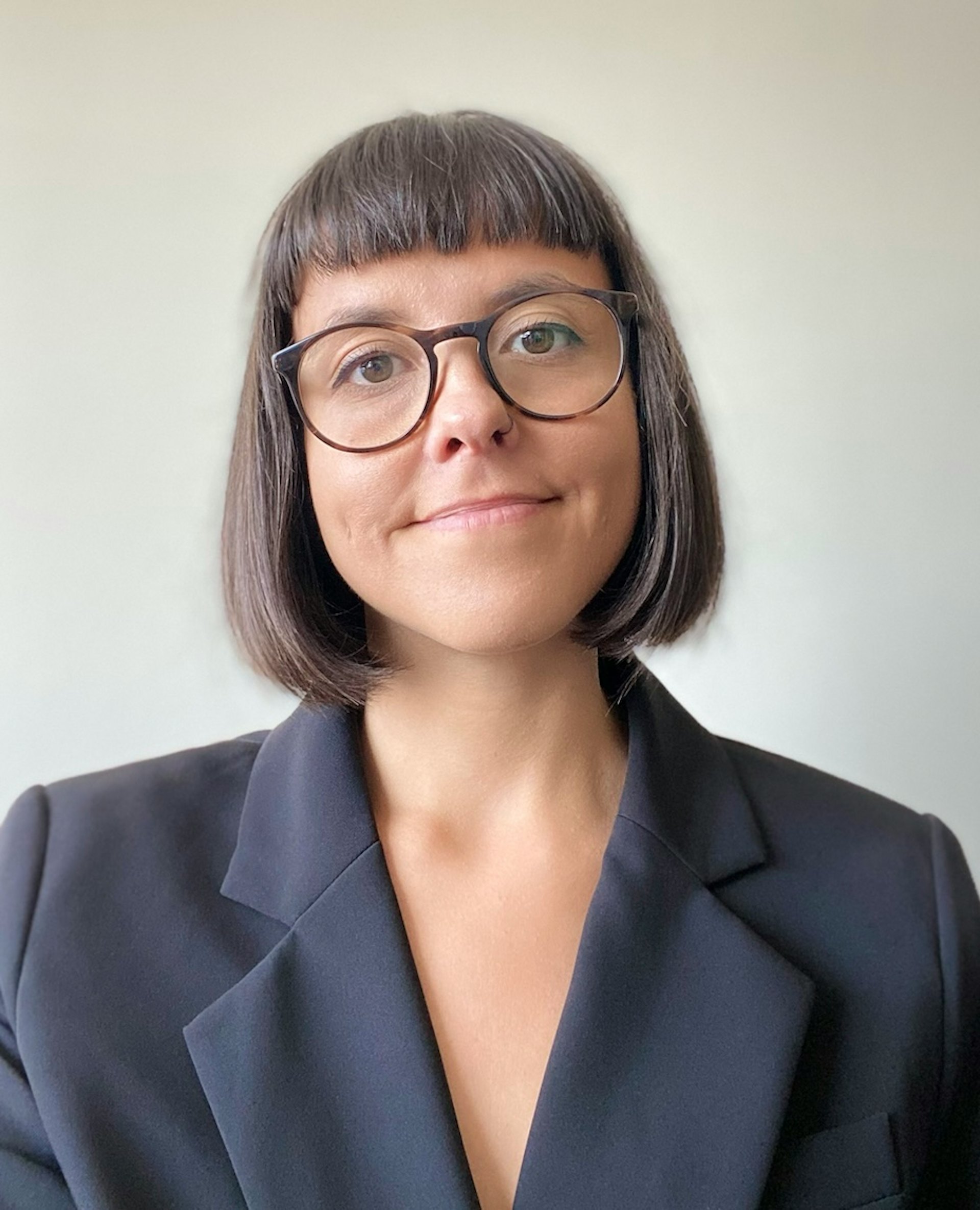
Jessica Vazzaz, Doctoral Researcher and Psychology Tutor
Jessica Vazzaz is a PhD Researcher in Psychology at the University of Sussex, funded by SeNSS (ESRC) in collaboration with Unmind. She holds a BSc from Birkbeck, University of London and an MSc from King’s College London.
Her research explores app-based sleep interventions for working adults, including audio tools and generative AI wellbeing coaching, with a focus on digital mental health and behavior change.
About the Author
Jessica Vazzaz, Doctoral Researcher and Psychology Tutor
Jessica Vazzaz is a PhD Researcher in Psychology at the University of Sussex, funded by SeNSS (ESRC) in collaboration with Unmind. She holds a BSc from Birkbeck, University of London and an MSc from King’s College London.
Her research explores app-based sleep interventions for working adults, including audio tools and generative AI wellbeing coaching, with a focus on digital mental health and behavior change.